How to Tame an Overgrown Garden
If you’ve got an overgrown garden and don’t know where to start, don’t worry! You can transform your unruly garden into a beautiful, organized space with time and effort. Learn how to tame an overgrown garden to set up the garden of your dreams.
Whether your garden got out of control or you’re moving into a new home with a yard the previous owner neglected, you can still have a beautiful garden! Even if your garden is overgrown with weeds and brambles, you can get it back under control with a few tools and a little planning.
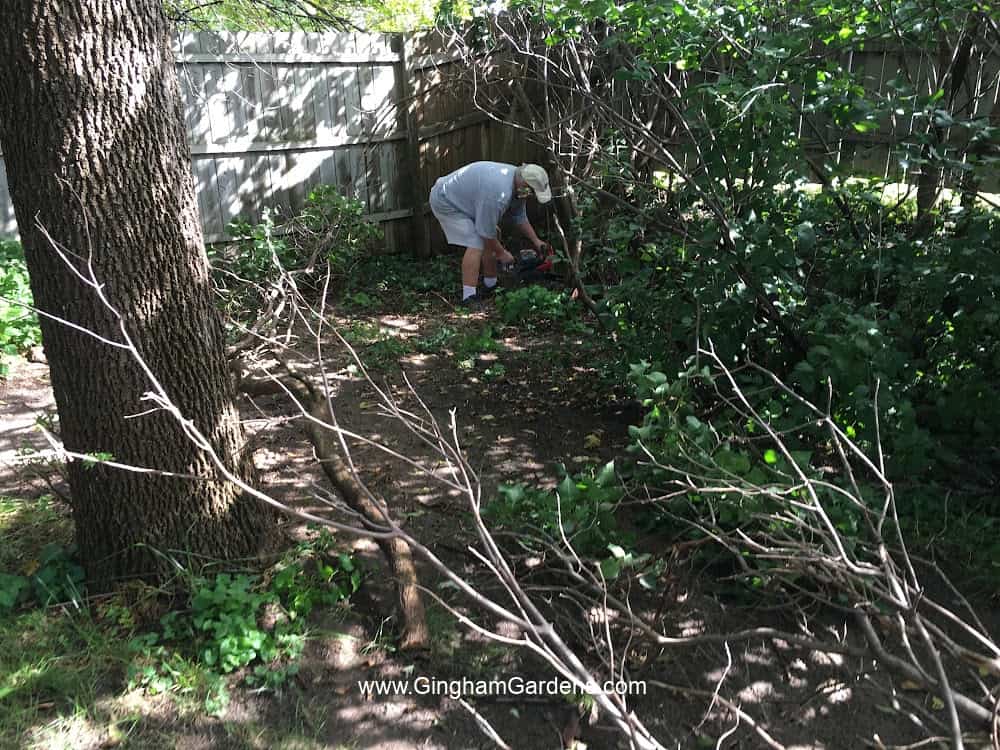
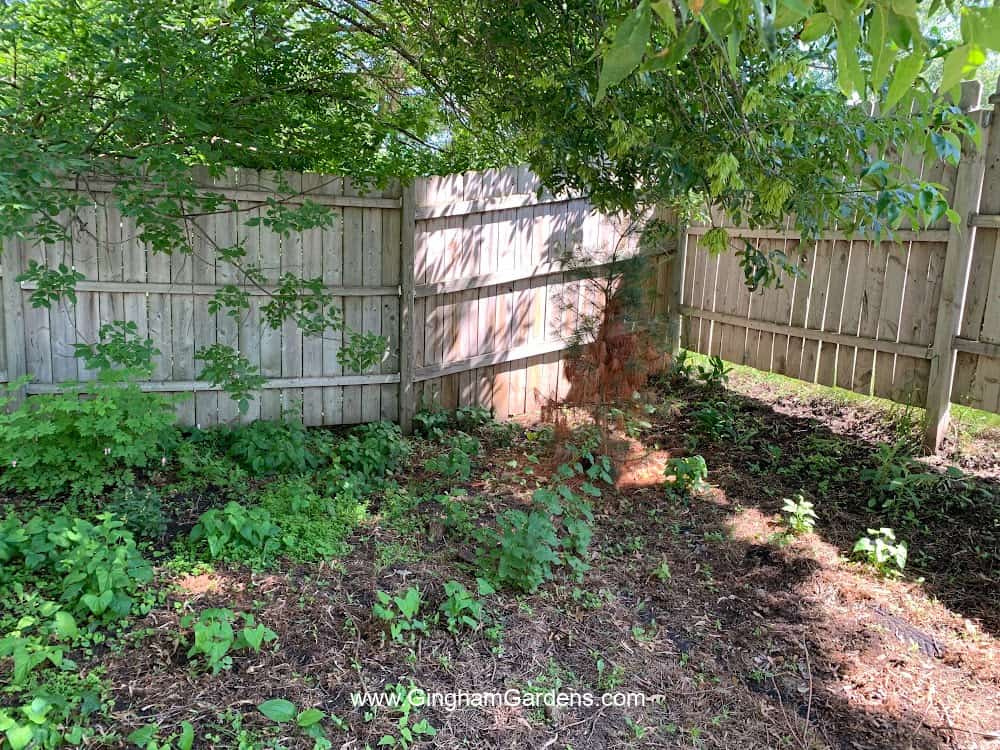
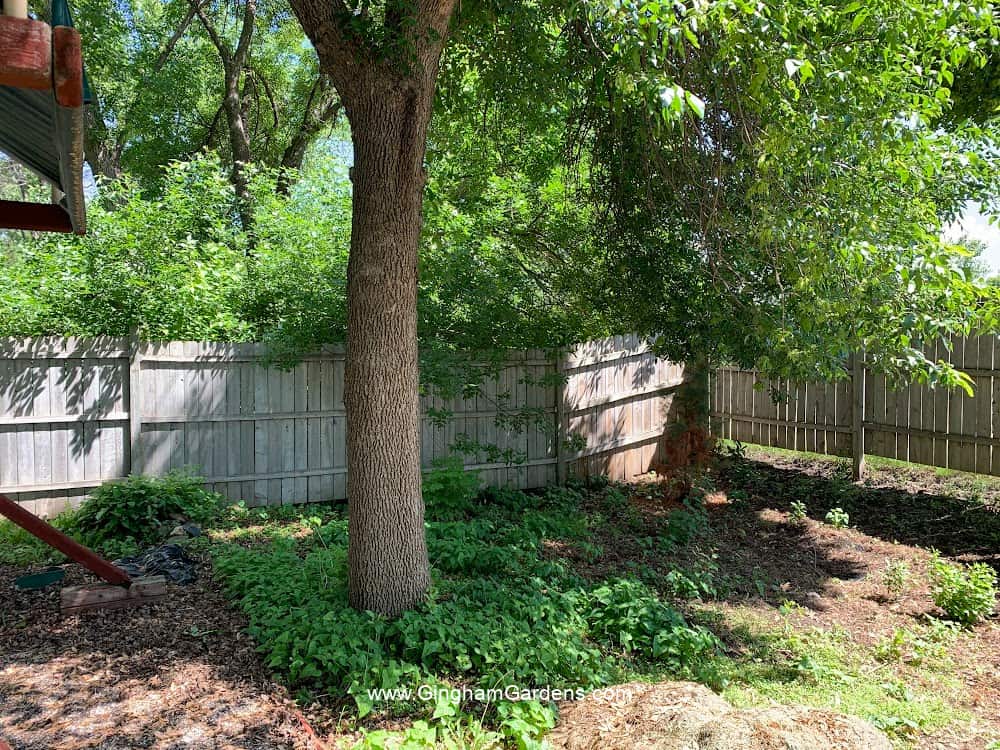
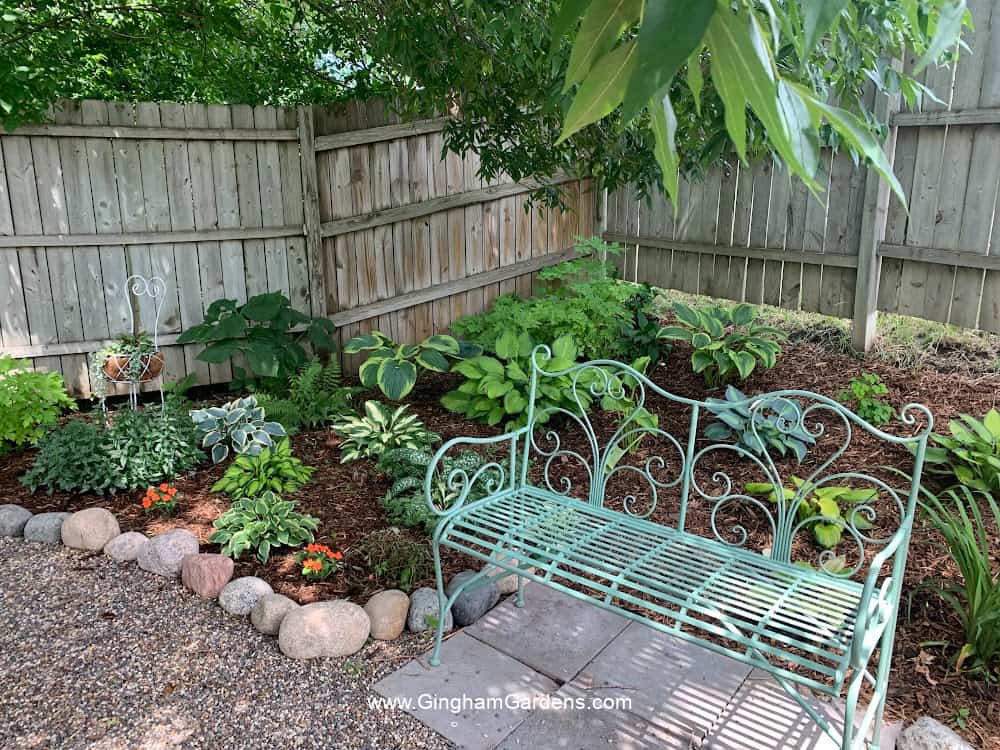
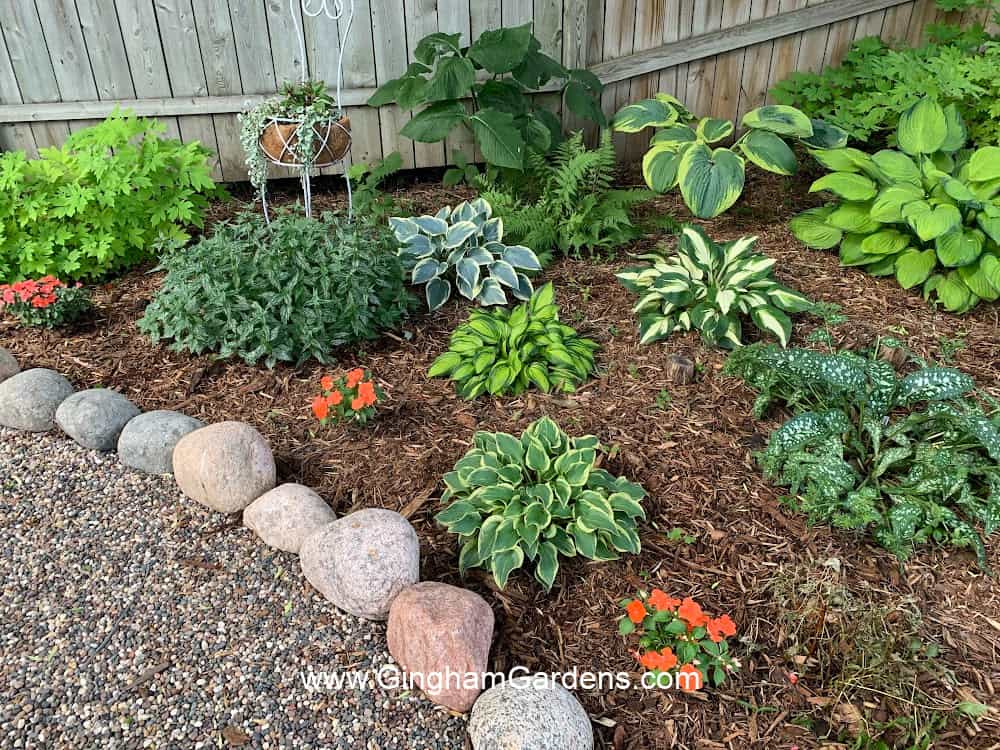
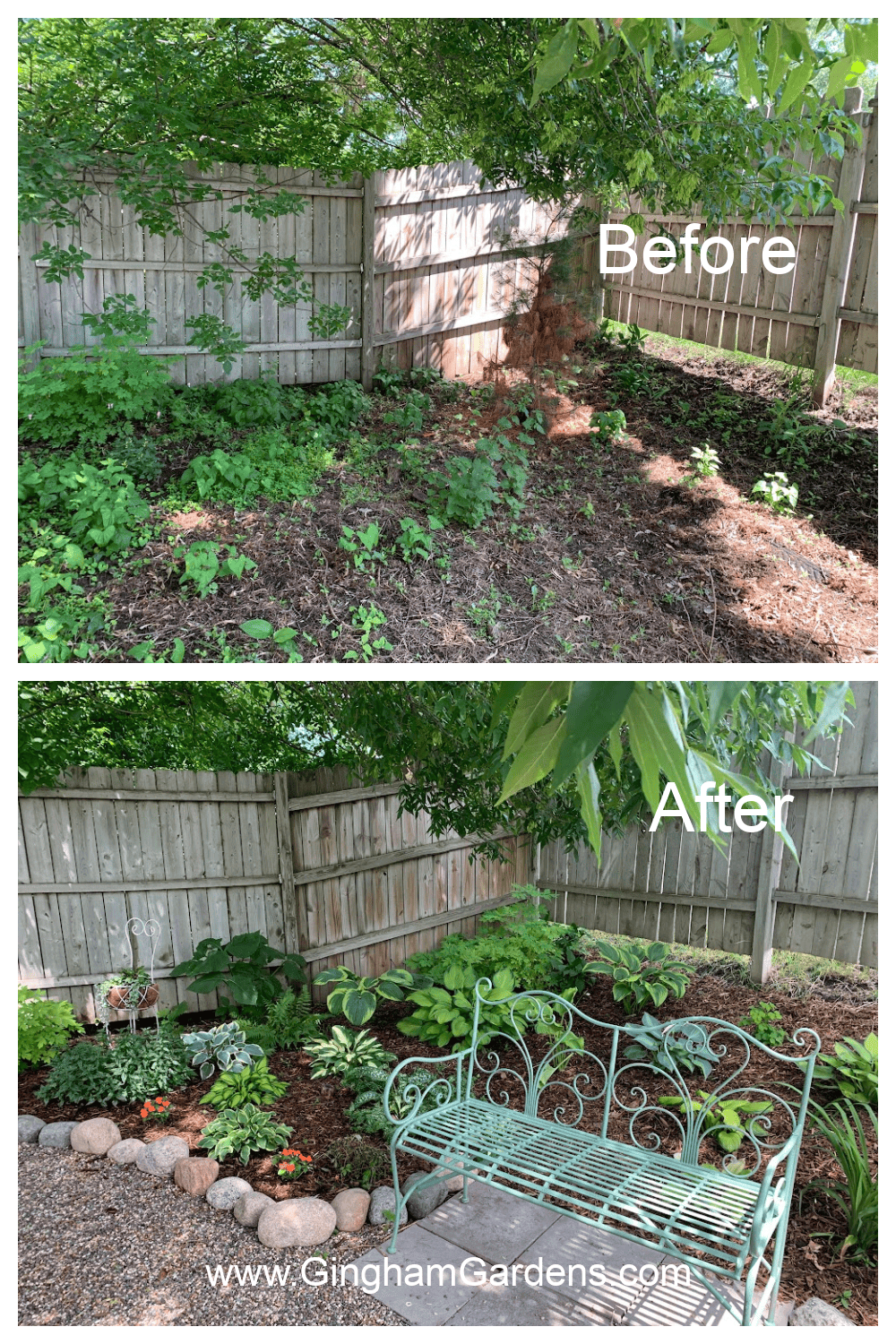
As we go along with our step-by-step instructions, I’m going to demonstrate with pictures just one of many overgrown gardens that we have tamed since moving into our current home.
This post contains affiliate links. If you click on
one of the links and make a purchase,
I may receive a small commission at no additional cost to you.
See full disclosure here.
Best Tools for Clearing an Overgrown Garden
Especially if you’re working on an overgrown yard on a new property, you might not have the right tools to get control of your garden. I recommend using the following tools to tame an unruly garden.
- Puncture-resistant gardening gloves: If you’re dealing with thorny brambles or poison ivy, you’ll be thankful you’re wearing the sturdiest gloves.
- Padded kneeling mat: Protect your knees with a firm mat while you dig out a root system or pull weeds.
- Buckets or wheelbarrow for clearing rogue plants: Plan where and how to deal with your trimmings. Your home compost pile may fill up quickly from a big yard, so have a backup plan. Unless you live in a warm climate, I don’t recommend putting weeds or invasive species into your home compost. I personally love my gorilla cart.
- Lawnmower and string trimmer: These make it easy to tackle an overgrown lawn and tidy up your garden edges. We love this trimmer. It’s 5 years old and going strong.
- Electric hedge trimmer: This is the easiest way to deal with an overgrown shrub. Depending on what you’re dealing with, a chain saw may also be a necessity.
- Loppers: Use these to hand-trim tree branches or vines.
- Various hand tools: I prefer to have a variety of small handheld tools to deal with dense roots and overgrown weeds. Some great options include a hori hori knife, hand shovel, and a hand fork. My CobraHead Weeder is hands down my favorite tool for removing tough weeds.
If you don’t have these tools, ask around and you’ll likely be able to borrow them. Or, for bigger tools, you might consider renting.
How to Tame an Overgrown Garden in 12 Easy Steps
The following steps for restoring a neglected garden will help you know what you want and how to get there. It’ll take a bit of hard work, but it’s worth it!
1. Assess the Situation
The first thing to do is to take a step back and assess the situation. Look at your plants and garden beds and decide what you want to keep. Are there mature trees or perennial plants you’d love to bring back to life? Let those be the focal points of your new garden design.
Once you know what you want to keep, list exactly what needs to happen. Depending on the size of the garden or project, clearing an overgrown flower bed or two will only take a couple of hours. However, if you’re clearing a garden jungle, it can take a long time. That’s okay! Good things take time, and gardeners know that better than anyone!
If you have the means, consider consulting a professional landscaper. Especially if your yard is really overgrown or you’re new to an area, a professional can tell you which plants need to go and which to keep. They’ll also be able to offer some design guidance if you want a specific garden look. The initial cost may save you so much time and an expensive learning curve.

2. Set a Budget
Even if you think you can tackle your wild garden for free, you will almost always have some expenses. Dealing with overgrown weeds is one thing; designing an entire backyard is another.
How much money do you need to save for replacing broken tools, buying new plants, ordering mulch or garden soil, and such? The next step is to save a little each month, and refresh your garden without going overboard. For more tips on making a budget for your flower garden project, check out this post.
Pick up your copy of a garden project budget sheet in the Gingham Gardens Resources Library. Get your password by signing up with the form below.
3. Set a Schedule
Divide your garden makeover into sections and work on one area at a time. This will make it easier to track what you’ve done and what still needs to be done.
4. Ask for Help
Although it may be entirely possible to refresh your entire garden on your own, it’s a lot faster, easier, and way more fun working with someone else! Set up a work party and invite your friends, family, or neighbors. You can also arrange professional help if it’s a tremendous job.
5. Remove Dead Plants & Trash
Clear weeds, dead trees, or debris from your messy garden. Clearing out the clutter will make it easier to see what you’re working with. Then start pruning back any undesirable plants that have grown out of control. Use a regular lawn mower and remove the grass clippings. This will help give your garden a more manageable shape and a good place to assemble supplies and materials.