
How to Fill Raised Garden Beds (The Right Way)
The popularity of raised garden beds has grown exponentially over the past decade. They are perfect for gardeners who have less-than-ideal ground soil. But, there are a lot of crazy ideas floating around about how to fill raised garden beds. We will cover those ideas and why they aren’t the best ideas and we will cover the right way to fill your raised garden beds.
This post contains affiliate links. If you click on
one of the links and make a purchase,
I may receive a small commission at no additional cost to you.
See full disclosure here.
First of all, the point of having raised garden beds is so your plants can grow in better soil than your traditional garden bed. One of my pet peeves is to see pictures of raised garden beds that are only halfway full of soil (see the picture below). That defeats the purpose of raised bed gardening. Follow along and we’ll share some great ways to fill a raised bed to the top, all while being budget-friendly.
This post is a two-fer article, in that almost all these tips apply to filling large containers and planter boxes too.
Let’s face it, filling a raised bed can be expensive. And, this is why all the crazy ideas of how to fill the bottom of a raised bed came about. With tall raised garden beds it can break the bank to fill it completely with soil.

Our Raised Bed Gardens
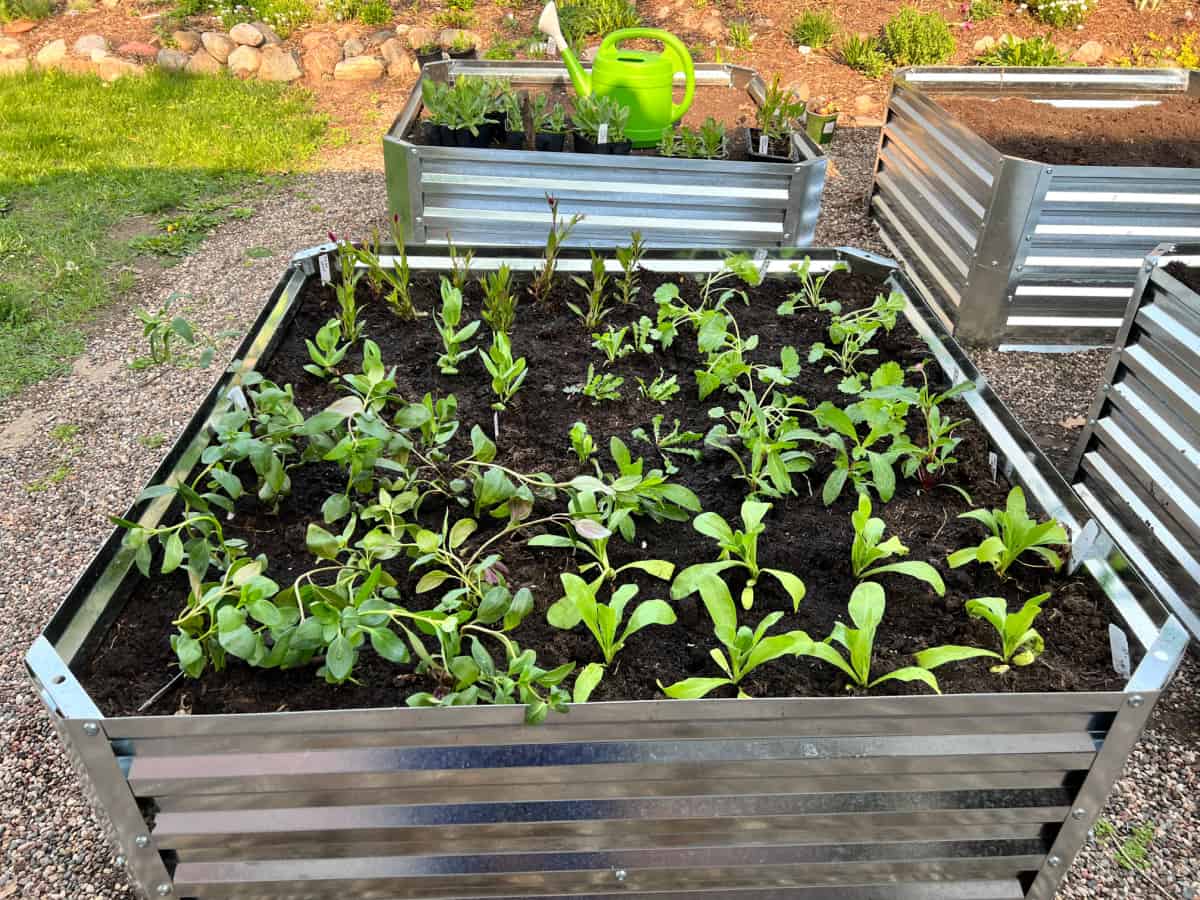
Last spring we took on the task of replacing our old wood-raised garden beds. I waited until I found a good sale on the galvanized beds I wanted and purchased them in the middle of winter. It was quite the chore to take out the old beds, set up the new beds, and fill them. Just to be on the up and up, we hired someone to help us.
When I started researching ways to fill raised beds, I found the information lacking or very impractical and not well thought out. Thus the inspiration for this article.

How Deep is Your Raised Garden Bed
Depth matters in a raised garden bed and how you should fill it.
I recommend having a raised bed at least 12 inches deep because that’s lots of space for roots. Happy roots- the plant will flourish! If you like to grow several different types of vegetables in your raised garden bed, you will want deeper beds that can accommodate root crops.
When using raised beds that are 12 inches deep, keep the extra materials at the bottom just a few inches deep and fill the rest of your raised bed with soil. At a minimum, it’s ideal to have at least 8 or 9 inches of soil in a 12-inch deep bed.
The pictures of the galvanized steel raised garden beds in this article are 2 feet deep and we filled them about halfway with organic materials on the bottom. I love these tall raised beds! They are easier on the back and plants grow like crazy in them.

Gardener’s Supply Company has a soil calculator to figure out how much soil you will need for your raised garden bed or container.
The Things NOT to Fill Your Raised Garden Bed With
Don’t fill your raised bed or large containers with junk like tin cans, pool noodles, packing peanuts, plastic bottles, broken flower pots, or anything considered trash. These items do absolutely nothing to benefit your garden soil or the crops you are growing. Think about the potential for toxic substances that leach into the soil where you want to grow edible plants. Not good!
Some will ask, what if you’re just growing flowers? Plant roots do not like to grow in trash. Because these items don’t break down they can create areas for water retention and inhibit proper drainage. Plant roots need organic matter to thrive.
I’ve also seen some gardeners add large rocks to the bottom of raised beds. This is simply not necessary and rocks will take up space but won’t add any nutrients to the soil. Plus, they can impede the growth of the roots of your plants.
Save This Pin to Your Favorite Gardening Board on Pinterest, so you can remember it later!

Adding gravel to the bottom of your raised bed for drainage is not necessary and adds another expense. If you don’t add junk to the bottom of your bed and use appropriate soil, you should have good drainage.
Don’t fill your raised bed with ground soil. That defeats the purpose of having a raised bed garden.
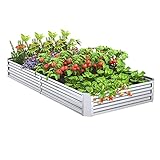
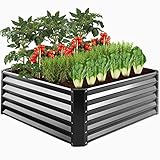
Some Good Options for Steel-Raised Beds


The Best Way to Fill a Raised Garden Bed
First, it’s a good idea to line the bottom of the bed with landscape fabric or a layer of cardboard. This will ensure that no weeds or grasses grow into your garden bed from the ground.

Next, depending on the depth of your raised bed, you will want to add organic materials to take up space. Over time these materials will break down and with little effort on your part, you will end up with very fertile soil that is perfect for growing vegetables, herbs, and flowers.
You can’t have too much soil in a raised bed so keep that in mind when you’re adding materials to the bottom of a raised garden bed. The idea of adding organic materials to the bottom of raised garden beds is to create amazing soil that you don’t have to purchase. Much better than anything you can create inground with native soil.

Good Fill Materials for The Bottom of Your Raised Bed
If you don’t have these items in your own yard, check with neighbors or family members. Also, your local compost yard may have these items available in their drop-off area.
- Old potting soil from container gardens.
- Small tree branches and twigs
- Small pieces of decaying wood or logs
- Untreated grass clippings.
- Leaves.
- Other decaying plant matter.
- Do you have compost that hasn’t finished decomposing? Tossing it in the bottom of a raised bed is a great way to use it up.
- Inexpensive coconut coir or peat moss.
- Wood chips
- Pine needles

Have you heard of the Hugelkultur Method? This is a method that originated in Germany of creating an in-ground bed by mounding tree limbs and then adding organic materials to the top of the mound. Over time the tree limbs break down, creating a rich, fertile soil.
I want to mention this method because I’ve seen many gardeners on YouTube talk about using this method in deep raised beds. I have mixed feelings about this because the fact of the matter is, that it will take years and years for large logs to break down in a raised bed. Basically, the logs will just take up space for many, many years and not serve much of a purpose in your raised bed.
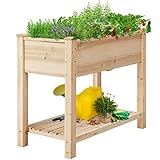
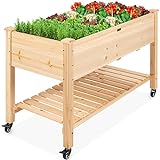
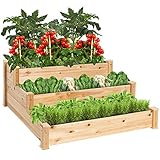
Good Options for Wood-Raised Garden Beds

The Best Soil for Your Raised Garden Bed
Once you have filled the bottom of your raised bed with a layer of organic material, the next step is to add soil. It’s important to note here, that the upper layer, or the garden soil should be the deepest.

We like to purchase garden soil by the yard. We purchase an organic soil mix of compost (45%), topsoil (45%), and sand (10%). The result is a nice sandy loam and the perfect growing medium for raised garden beds. If you can’t haul bulk soil, you can purchase bags of garden soil from your local garden center or home improvement store.
Remember the soil surface should be close to level with the side of your raised garden bed. Throughout the growing season, you will find that it will settle very quickly as the weight of the added soil fills in around the nooks and crannies of the items at the bottom of the bed. Again, if you don’t fill your raised bed to the top with soil it sort of defeats the purpose of having a raised bed.

Raised Bed Soil Maintenance
Every spring you will notice that the soil in your raised bed has settled. That’s partially because the organic materials are breaking down. It’s important to add fresh soil and compost to top the bed off.
Likewise, the nutrients in your raised bed soil will wash out from watering and rainfall. I like to add in organic matter and fertilizers like worm castings, rabbit poop, chicken poop, or aged manure every spring before I plant.
It’s important to note that raised bed gardens dry out quicker than inground gardens because they dry out quicker. You will need to water your raised bed gardens more frequently during dry spells than your inground gardens.
Oftentimes, in the fall after the raised beds are cleaned out for the season, I will top them off with shredded leaves. Leaf mold is a great organic material to mix into your garden soil, or to simply leave on top as a mulch.
Now it’s time to fill those raised garden beds with beautiful plants. Here are some excellent articles:
Growing Vegetables in Small Spaces
Flower Garden Ideas for Small Spaces
How to Grow a Cutting Garden
Do you grow vegetables or flowers in raised beds? Please share your experience in the comments section below. We love hearing from you and we all learn from others’ experiences.
Happy Gardening,
Joanna
More Great Things on Gingham Gardens
Sign up to receive our weekly newsletters full of gardening tips. You’ll also get access to our Gardening Resources Library and all our helpful gardening printables.
More places to find Gingham Gardens:
- Visit Gingham Gardens on Pinterest.
- If you’re on Facebook, Gingham Gardens is also on Facebook.
- Stop by Gingham Gardens’ Amazon store!
- Love Etsy? Come see us on Etsy too.
Save a pin to your gardening board on Pinterest, so you can remember this post later:

